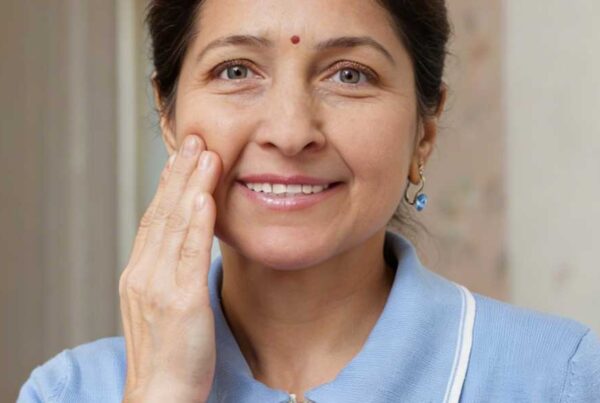
By Dr. Mukta Tulpule, Dermatologist, Sahawas Skin Clinic, Pun
A skin problem does not always need a dermatologist.
A pimple here and there, a little dryness in winter, or occasional hair shedding may not be a reason to worry.
But there are situations where waiting, trying random creams or following advice from social media can make the problem more difficult to treat.This is something I see regularly in my dermatology practice in Pune.
Patients often come after trying several creams for acne, using multiple products for pigmentation, taking supplements for hair fall or repeatedly applying a combination cream for a rash. By the time they come to us, the original problem may have changed because of the treatments they have already tried.
So, when should you actually see a dermatologist?
When is it time to see a dermatologist?
A simple rule is this:
If a skin, hair or nail problem is persistent, recurrent, worsening, painful, spreading or affecting your confidence, it deserves a proper dermatological evaluation.
You don’t necessarily have to wait until the problem becomes severe.
Early consultation can sometimes prevent months of unnecessary treatment.
Here are some of the common situations where I would recommend seeing a dermatologist.
1. Your acne keeps coming back
Acne is one of the most common reasons people visit a dermatologist.
Many patients initially try face washes, serums, spot treatments and home remedies. Sometimes these help temporarily, but the acne returns.
If you have:
- Frequent breakouts
- Painful or deep pimples
- Acne on the face, chest or back
- Persistent acne after your teenage years
- Dark marks after pimples
- Acne scars
- Acne associated with irregular periods or increased facial hair
it is worth getting assessed.
The important point is that acne treatment is not the same for everyone.
The treatment depends on the type and severity of acne, your skin type, whether scarring is occurring and, in some patients, whether hormonal factors are involved.
Treating acne early is also important because preventing scars is generally easier than treating established acne scars later.
You can read more about our approach to [acne and acne scar treatment] on the clinic website.https://sahawasskinclinic.com/acne-scars-treatment-pune/
2. You are losing more hair than usual
Hair fall is another concern where patients often wait too long.
Some hair shedding is normal. The concern is when you notice a clear change from your usual pattern.
For example:
- Hair falling in large amounts while washing
- Increasing hair visible on your pillow or clothes
- A widening centre parting
- Reduced hair density
- Receding hairline
- Bald patches
- Sudden hair loss after an illness, major stress or weight loss
Hair loss has many possible causes.
It can be related to genetics, nutritional deficiencies, hormonal factors, illness, stress, medications or scalp disease.
The treatment should therefore start with identifying why the hair is falling, rather than immediately taking supplements or starting a hair treatment advertised online.https://sahawasskinclinic.com/hair-loss/
3. Your pigmentation is not going away
Pigmentation is extremely common in Indian skin.
I frequently see patients who have tried several creams before coming for consultation. Some have been using fairness products, bleaching products or multiple active ingredients without knowing what caused their pigmentation in the first place.
Pigmentation can occur because of:
- Melasma
- Acne or previous inflammation
- Sun exposure
- Hormonal changes
- Skin irritation
- Certain medications
- Other skin conditions
Melasma in particular requires patience.
There is usually no single cream or procedure that works for everybody. Sun protection and a properly selected treatment plan are important, and the aim is controlled, gradual improvement rather than an overnight change.
If pigmentation keeps returning despite treatment, it is especially important to get the diagnosis reviewed.https://sahawasskinclinic.com/pigmentation-melasma-tanning-treatment-pune/
4. You have an itchy or recurrent rash
Not every itchy rash is a fungal infection.
This is an important point because I see many patients who have been using antifungal creams for weeks or months without improvement.
Eczema, psoriasis, contact dermatitis, fungal infections and several other conditions can sometimes look similar to a patient but require completely different treatment.
Another common problem is the use of steroid-containing combination creams without medical advice.
These creams may make a rash appear better initially, but they can also alter the appearance of an infection or cause other skin problems when used incorrectly.
If a rash is persistent, recurrent, spreading or not responding to treatment, it is better to get the diagnosis confirmed.https://sahawasskinclinic.com/fungal-infection-warts-psoriasis/
5. You have noticed a new white patch
A new white patch should not automatically be labelled as vitiligo.
There are several causes of lighter patches on the skin.
If it is vitiligo, early evaluation can be useful because treatment options depend on factors such as the location, extent and activity of the disease.
At Sahawas Skin Clinic, vitiligo is one of the areas of dermatology we regularly manage, including medical treatment, phototherapy and other appropriate treatment options.
The first step, however, is always to establish the diagnosis.https://sahawasskinclinic.com/vitiligo-treatment-pune/
6. Your skin problem keeps coming back
A temporary improvement does not always mean that the underlying problem has been treated.
This is particularly relevant with conditions such as:
- Psoriasis
- Eczema
- Recurrent fungal infections
- Acne
- Melasma
- Hair disorders
Many dermatological conditions require maintenance and long-term management rather than a one-time treatment.
If the same problem keeps returning, instead of repeatedly buying the same cream, it may be time to understand why it is happening.
7. You have a mole or skin growth that is changing
Most moles and skin growths are harmless.
However, a lesion should be examined if you notice a significant change in:
- Size
- Shape
- Colour
- Border
- Bleeding
- Crusting
- Persistent itching
A dermatologist can assess whether it needs observation, further evaluation or removal.
Do not try to remove a mole or skin growth at home.
8. Your skin problem is affecting your confidence
This is sometimes underestimated.
Acne, acne scars, pigmentation, vitiligo and hair loss may not be medically dangerous, but they can have a significant impact on how a person feels about themselves.
I have patients who tell me that they have stopped attending social events, avoid photographs or feel uncomfortable meeting people because of their skin or hair concern.
That is a genuine reason to seek help.
Dermatology is not only about treating disease. It is also about helping patients feel comfortable and confident in their own skin.
9. You are using too many skincare products and don’t know what you actually need
More skincare does not necessarily mean better skin.
I often see patients using a cleanser, toner, multiple serums, exfoliating acids, retinoids, vitamin C, face oils and several home remedies at the same time.
Sometimes the skin barrier simply cannot tolerate all of this.
If you are experiencing burning, redness, peeling or increased sensitivity, simplifying the routine and getting professional advice may be more useful than adding another product.
A good skincare routine should be appropriate for your skin and your concern, not based simply on what is trending online.
10. You are unsure whether your skin problem needs treatment
You don’t need to diagnose yourself before visiting a dermatologist.
In fact, that is one of the reasons consultations are useful.
Search engines and social media can give you a list of possibilities, but they cannot examine your skin in person and put the findings together with your history.
Sometimes a consultation confirms that the condition is harmless and requires little or no treatment.
Sometimes early treatment can prevent the problem from becoming more complicated.
Both are valuable outcomes.
Why choosing the right dermatologist matters
When searching for a dermatologist in Pune, I would suggest looking beyond online ratings or the number of procedures a clinic offers.
Consider:
Is the doctor properly qualified?
Dermatology is a medical speciality. Your skin condition deserves a proper diagnosis rather than simply being matched to a cosmetic procedure.
Does the doctor explain the diagnosis and treatment clearly?
You should understand what you are being treated for, what the treatment is expected to achieve and how long improvement may take.
Are treatments recommended only when they are actually needed?
Not every patient needs a laser, peel, injection or expensive skincare product.
Sometimes the best treatment is a simple prescription and patience.
Is follow-up available?
Many skin conditions evolve over time. Good dermatology involves reviewing the response and changing treatment when necessary.
Dermatologist in Pune for skin, hair and pigmentation concerns
At Sahawas Skin Clinic in Karvenagar, Pune, I see patients with a wide range of medical and aesthetic dermatological concerns, including acne, acne scars, pigmentation and melasma, vitiligo, psoriasis, eczema, hair loss and unwanted hair.
Our approach is simple: diagnose first, explain clearly and recommend treatment that is appropriate for the individual patient.
I do not believe in promising instant results or recommending procedures simply because they are available.
Skin treatment takes time, particularly for conditions such as pigmentation, acne scars, vitiligo and hair loss. Setting realistic expectations is an important part of treatment.
The clinic is conveniently accessible to patients from Karvenagar, Kothrud, Warje, Sinhagad Road, Deccan and Bavdhan. https://sahawasskinclinic.com/acne-after-moving-to-pune/
Frequently Asked Questions
How do I know if I need a dermatologist or can treat my skin problem at home?
If the problem is mild and temporary, simple skincare may be enough. However, persistent, recurrent, worsening or unexplained skin problems should be evaluated by a dermatologist.
What does a dermatologist treat?
Dermatologists diagnose and treat conditions affecting the skin, hair, scalp and nails. This includes acne, pigmentation, eczema, psoriasis, vitiligo, fungal infections, hair loss, acne scars and many other conditions.
Should I see a dermatologist for hair fall?
If hair fall is persistent, excessive or associated with visible thinning, bald patches or changes in the scalp, a dermatology consultation can help identify the cause and guide treatment.
Is it safe to use steroid creams for a skin rash?
Steroid creams can be useful for certain diagnosed skin conditions, but they should not be used indiscriminately. Some steroid-containing combination creams can worsen infections and cause other skin problems when used incorrectly.
Can pigmentation be completely removed?
The answer depends on the cause. Some pigmentation can improve significantly with appropriate treatment, but conditions such as melasma can be recurrent and require ongoing care and sun protection.
Where can I consult a dermatologist in Pune?
Sahawas Skin Clinic is located in Karvenagar, Pune, and provides dermatology care for medical, hair, pigmentation and aesthetic concerns.
Final word
You don’t have to wait until a skin problem becomes severe before seeing a dermatologist.
If something has been bothering you for weeks, keeps coming back, is leaving marks or scars, or simply doesn’t seem right, getting the correct diagnosis is often the best first step.
Your skin does not need more trial and error. It needs the right diagnosis.
— Dr. Mukta Tulpule
Dermatologist
Sahawas Skin Clinic, Punehttps://sahawasskinclinic.com/contact-mukta-tulpule-sahawas-skin-clinic/