Today we are going to discuss in detail about the many causes, types and treatment options for facial hyperpigmentation.
Our face is so important to us as it is how the world sees us and identifies us. It is our identity, and putting your best foot forward often means putting your game face on. Spots on the face can affect a person’s perception about self, and plays a role on their psyche and confidence.
Let us first understand what happens in the skin when you get dark patches.
Our skin has two parts epidermis and dermis. In the base of the epidermis there are pigment producing cells called melanocytes. These cells are sensitive to UV light and also to hormones.
The skin on our face is thinner than the rest of it our body. It is also exposed to the environment more and is exposed to makeup, dirt, pollution and sunlight . And hence ageing, tanning etc are seen more commonly and easily on the face.
1.TANNING – This is a natural response of the skin to sunlight. The skin is trying to protect us from the harmful effects of sunrays by producing more pigment resulting in tanning. The only way to not tan in to prevent it !
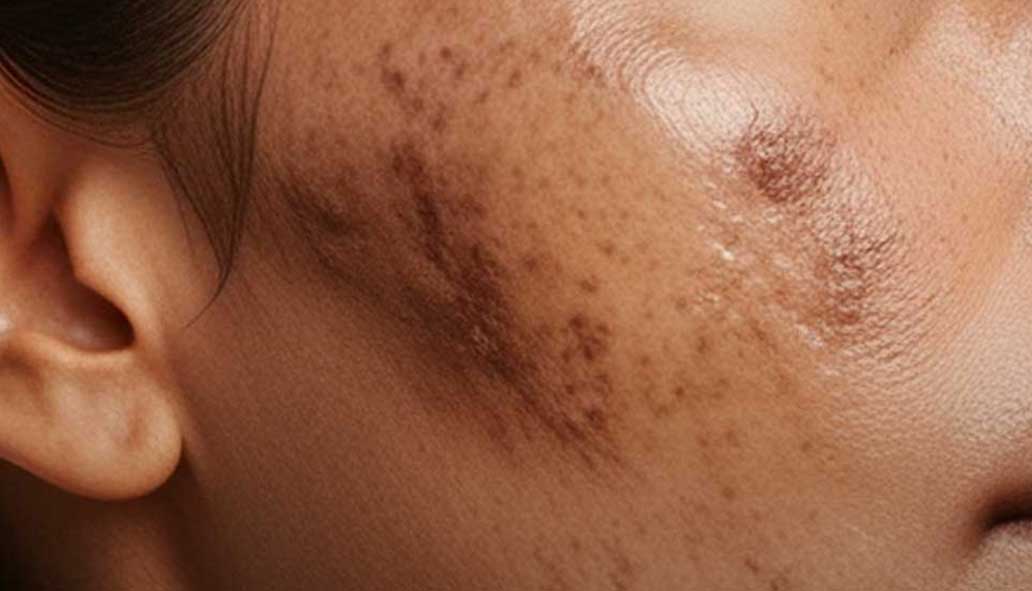
2. MELASMA – Melasma is the commonest cause of facial pigmentation. It is seen as dark coloured butterfly shaped patches on the cheeks, forehead, nose and chin. The pigment looks light brownish on fair skin and dark brown on darker skin. It is a cause of distress for many ladies. This pigmentation can be due to hormonal changes (during or after pregnancy, peri menopausal), use of oral contraceptive pills, hereditary, sunlight exposure, exposure to certain chemicals. Melasma is notorious treat. As during treatment it lightens and tends to recur after treatment is stopped. Post pregnancy melasma tends to go away after hormone levels come back to normal. Protection from sunlight is the best way to prevent the patches from getting even darker.
3. Post Inflammatory hyperpigmentation- This is seen typically after Acne. Popping pimples or any other injury to the face will result in these kind of dark spots. They tend to fade in about 3-6 months. And faster with treatment.
4. Moles and face warts- these need to be removed
5. Pigmentation due to cosmetic use, vitamin deficiencies and certain medicines.
TREATMENTS for hyperpigementation:
1. Sunscreen sunscreen sunscreen!- this is the only preventive treatment which you can easily do. Dont forget to reapply sunscreen every 3-4 hours. Many brands are available. Look for SPF 59 with UVA and UVB protection both. Preferably for face, a matte finish non sticky, non comedogenic sunscreen is preferred.
2. Many alpha and beta hydroxy acids and depigmenting agents prescribed by dermatologist. To be taken under guidance and treatment only. These should be taken only for the prescribed amount of time.
3. Chemical peels- these are stronger forms of the prescription medicine. This is a small procedure, a “5- minute facial ” of sorts. It helps in reducing black spots, exfoliates the skin slowly, tightens the skin, reduces wrinkles and promotes collagen building. Many different types of peels are available with the dermatologist. Post peel requires 7 days care and protection from the sun. Around 5 to 6 sittings are done depending on patient’s skin and response.
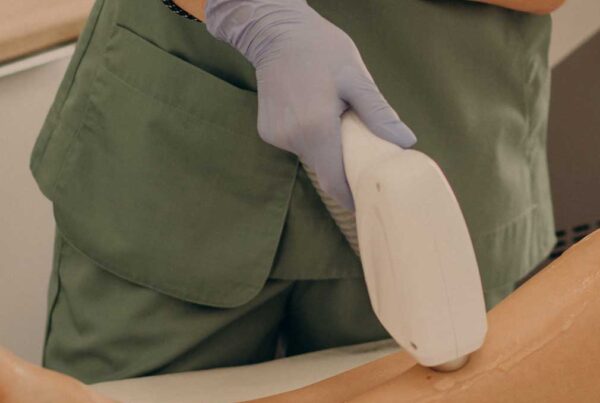
4. Lasers- carbon facials and Q-switched laser sittings are also done for reducing facial hyperpigmentation.
5. Cosmetic camouflage- if the spots are resistant to treatment makeup can be used to cover the spots.
Many a times i find patients of facial of hyperpigmentation need lot of counselling, support and a confidence boost. Few patients have resistant melasma, which does not respond to treatment and they need help in accepting this. Sometimes melasma goes away by itself, or with treatment only to recur after few months or years.
Another issue while dealing with Dermatological procedures is patients going simultaneously for salon procedures like bleaching or face scrubs/polishing/facials. We recommend not mixing the two together as the skin may react unpredictably in such cases.
The creams given by the doctor may have few mild and temporary side effects like tingling or dryness of the skin or in severe cases irritation.
Chemical peels typically cause dryness, redness and flaking for 7-10 days.
Some MYTHS:
1. Tomato juice to remove tan: it may work for some, but please do a patch test before applying any homemade pastes or juices to your whole face/ body.
Toothpaste application may also cause excess dryness.
2. We get many cases of home remedies for tanning gone bad. Some people get dry itchy skin, or irritant contact dermatitis or mild skin burn and flaking due to lemon juice application. Always dilute or check with a small patch first.
3. Chemical peels make skin worse after treatment: this is not true. If done correctly and under a dermatologist, chemical peels work wonders. As already stated conditions like melasma have a tendency to come back once treatment stops.
4. I can keep using doctor’s creams without followup-
That is a mistake. The depigmenting agents that doctors give are only for a specified amount of time. Do not share them, reuse without consulting as they can have unwanted consequences.
5. I use cream from the chemist without consulting doctor- Many a times these creams contain steroids, which initially make the face look fair. But in the long term they cause thinning of facial skin, excess facial hair and skin damage. Be careful before selecting products for your face.
Do have:
Turmeric milk ( to drink) is a good anti-oxidant.
Eating any vitamin C rich food like amla, lemons, citrus fruits are going to give a good boost to reducing pigment and healing the skin.
I always tell my patients, “Don’t chase fairness. You have to first accept your natural skin tone.”
Each and every skin tone is beautiful and we as a society should accept that.
But yes as Dermstologista, we can definitely work on and improve the skin texture, reduce dark spots and enhance your appearance! So invest in your skin.
Eat well and use good products!
I hope this article has answered most of your doubts regarding pigmentation and it will help you in making treatment choices in the future!